Interoperability Issue of IoT Implementations
Category : Technology & Science | Sub Category : Technology Posted on 2020-09-07 17:47:44
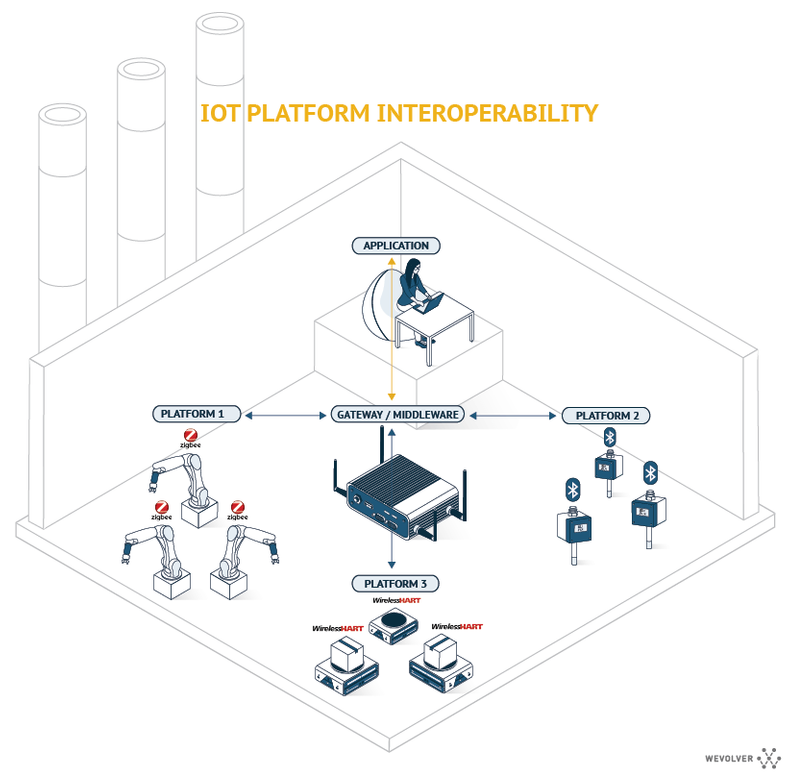
A classic problem that affects all IoT implementations is the lack of interoperability between standards and devices.
IoT suppliers may have proprietary hardware, software, and communications protocols. It becomes challenging to collect, integrate, and contextualize data in these settings. A recent report by McKinsey & Company estimates that “Of the total potential economic value the IoT enables, interoperability is required for 40 percent on average and nearly 60 percent in some settings.” Novel approaches that use an “IoT in a Box” concept aim to integrate a connected gateway with a variety of sensors and an application. These systems are designed to be used with multiple suppliers, reducing issues of poor compatibility between entities produced by different manufacturers.
Integrating legacy equipment into IIoT environments also represents a challenge for manufacturers. Older generations of equipment and sensor nodes devices may not be compatible with modern WSNs platforms in software or hardware. The correct drivers and configuration files specific for the equipment may not be available, and it requires considerable on-site time to build custom equipment drivers. In these contexts, equipment libraries that interact with legacy equipment and push data to a centralized platform can help to integrate legacy systems.
Search

Categories
Recent News
- Future Network-5G
- Most downloaded apps in the World
- Internet of Things Role in Building Smart Cities
- Technology role in shaping the future World
- Online Teaching and Learning tools suggested by UNESCO
- Technology Role in Shaping the Future of Education
- The Coronavirus Explained, and What You Should Do
- Aarogya Setu -app launched by Govt. of INDIA to fight against COVID-19